Porta Potty Rental Boston: Choosing Between Standard and Deluxe
When you rent portable toilets in Boston, you are not just picking a service, you are picking the experience people will have on a jobsite, at an event, or during an emergency. The “standard vs. Deluxe” decision sounds simple until you are the one fielding complaints, adjusting placement, or explaining why a unit does not feel as clean as everyone expected. After years of seeing how rentals get used, I can tell you this: the right choice is usually obvious once you look at how the toilet will be used, who will use it, and what the site conditions look like.
Below is a practical way to choose between standard and deluxe porta potty rentals in Boston, including the trade-offs that matter in real life.
Standard vs. Deluxe: what you are actually paying for
Most portable toilet rental companies offer a base model and an upgraded option because they have different customer needs. Standard units are built for function. Deluxe units are built for comfort and perceived cleanliness.
A standard portable toilet on rent typically includes the essential features: a sealed holding tank, a toilet seat, a handwashing option in many models (varies by provider and the specific package), and proper ventilation. They work well for construction sites, short-term events, and situations where the primary goal is reliable sanitation.
Deluxe units usually add things that change day-to-day usability. You may see better finishes, improved interior airflow, more comfortable seating, and upgrades that reduce the “portable toilet smell experience” people associate with older or lower-end rentals. Many deluxe options also have enhanced handwashing setups or more reliable service add-ons, depending on the package.
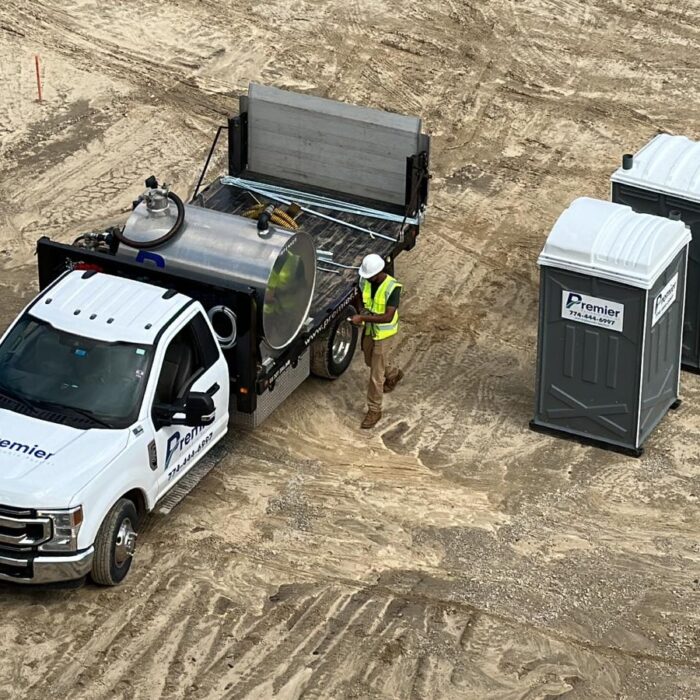
What you should not assume is that “deluxe” automatically means “more hygienic” in every case. Hygiene depends on maintenance schedules, fresh restock cadence for supplies if handwashing is included, and how quickly waste is pumped out. A well-managed standard unit can outperform a poorly maintained deluxe unit.
Boston-specific realities that affect your choice
Boston is a dense city with busy streets, tight staging areas, and lots of sites with limited maneuvering space. That matters for placement and servicing, and those two factors affect how clean and usable both standard and deluxe units feel.
On many job sites, you can have a high traffic pattern: workers entering from one side of a fence, food trucks nearby, deliveries, and periodic shifts. In that environment, deluxe can be a better fit because it holds up better to frequent use and generally feels more respectful to guests and staff.
If you are placing units near a public sidewalk, a venue entrance, or a brand-facing part of a corporate event, the visual impression is not minor. Deluxe units tend to look cleaner and more “event-ready.” Standard units can still be fine, but you may want to be stricter about pumping frequency and placement so the area around them stays presentable.
Weather is another Boston factor. In cold stretches, anything related to handwashing, interior comfort, and overall user experience becomes more noticeable. Deluxe models are often configured with user comfort in mind, but service quality and how the provider handles winterization matter just as much.
When standard is the right call
Standard porta potty rental is a smart choice when your priority is cost control and you can manage the basics well. It is also the right move when users expect a worksite restroom and the schedule is set up for timely pumping.
In construction settings where crews rotate and the unit is not constantly overwhelmed, standard units can perform reliably. I’ve seen standard models work especially well when the site foreman treats the rental like a system: units are placed where people naturally pass, they are kept accessible, and the provider is scheduled for routine pickup based on expected usage.
Standard is also common for shorter events where attendance is predictable and the event organizer can coordinate service windows. If you are booking portable toilets on rent for a one-day gathering, the main job is to get the count right and ensure the provider can service promptly if your crowd density spikes.
Here is the honest trade-off: standard can feel less comfortable over long days, especially for higher-traffic situations, and it often has fewer “comfort” features. If your event runs many hours or has VIPs, clients, or families, you may start hearing the differences long before you would notice them with a less demanding crowd.
When deluxe makes sense
Deluxe is usually worth it when the restroom is part of the customer experience, not just a sanitation necessity. If your attendees include people who will notice comfort and cleanliness, deluxe tends to reduce friction. It can also help with brand perception, because the restroom area reflects how seriously you take the event.
For corporate functions, weddings, upscale community events, and long-duration productions, deluxe is often the safer bet. I remember a client who switched from standard to deluxe for a three-day event after a prior weekend where guests complained about waiting and overall comfort. The problem was not that the standard units failed, it was that the overall experience got worse as the day wore on and the crowd pressure increased.
Deluxe can also be the better choice for higher usage rates. If you expect lots of people per hour, more frequent turnover, or extended use without a quick reset, paying for the upgraded unit can be the difference between “fine” and “good.”
Key differences that matter at the ground level
It is easy to read marketing terms and lose the plot. When you are deciding, focus on the items that actually affect users, not just product names. The checklist below reflects the differences I see most often in portable toilet rental packages.
- Interior comfort and finish: Deluxe models often feel more comfortable during long waits and repeated use.
- Handwashing setup: Some deluxe packages include better or more consistent options, which matters for health-minded events.
- Odor control and ventilation: Upgraded units frequently manage odor better, especially in cold or wind-sheltered areas.
- Service expectations: Deluxe packages are sometimes paired with tighter service rhythms, which affects real hygiene more than the unit’s brochure features.
If you talk to a provider, ask them to explain what “deluxe” includes in their fleet. Some companies use the label loosely, others reserve it for specific configurations.
Don’t forget the real decision: count, placement, and service schedule
Standard or deluxe is only half the equation. The other half is how many units you need, where you put them, and when they get cleaned or pumped.
A site with too few toilets will make even a deluxe unit feel inadequate. Poor placement can also turn a usable unit into a frustrating one. If the unit is difficult to access due to mud, construction materials, or a route that people avoid, users will look for alternatives and complaints will follow.
Service timing is where portable toilet rental companies separate themselves. The best unit in the world will disappoint if it is not serviced on schedule. If you are considering emergency portable toilet rental, you are probably dealing with a time crunch, which makes the provider’s ability to mobilize and maintain service even more important.
A simple reality: more units reduce crowding, but more service keeps the area clean. Deluxe helps, but it does not replace a schedule that matches your usage.
A practical comparison by scenario
Sometimes the easiest way to decide is to match the type of event or job to the likely pressure on the restrooms.
For construction crews, standard often works because the users are expecting functional sanitation. If you are dealing with a smaller crew or a short schedule, standard is frequently the cost-effective option. If you are running multiple trades, high foot traffic, and long shifts, deluxe starts to look better because user experience directly impacts morale and compliance with restroom etiquette.
For festivals, public-facing events, and venues that care about guest experience, deluxe is commonly preferred. You can often justify the cost difference when you factor in fewer complaints, a better-looking restroom area, and a smoother flow of foot traffic. Families and older guests will notice the difference in comfort and usability.
For community events with mixed attendance, standard can be fine if you can keep up with service and provide enough units. If you already know your crowd includes a higher percentage of VIPs, sponsors, or people who will be in line longer, deluxe becomes the more confident choice.
For emergency portable toilet rental, standard is sometimes used because it is quicker to deploy, but you still want a provider who can stabilize service rapidly. In emergencies, reliability matters most. The question is not just “what model arrives,” it is “how long until it is pumped and restocked, and does the provider communicate that plan clearly.”
The hidden costs of choosing the cheapest option
It is tempting to go straight for cheap portable toilet rental, especially when you are trying to control the budget. But cheap can turn expensive if it leads to the wrong count, delayed service, or a unit that is not suited to the environment.
A low price quote may hide assumptions like pumping frequency, add-ons, or limitations on placement and servicing windows. In Boston, where access can be tricky, a provider’s logistics matter. If the truck cannot access the site easily, the service plan changes. That can affect when units can be pumped and how long the on-site restrooms remain in the desired condition.
I’ve also seen cases where an organizer chose a standard unit to save money but underestimated how often people would use it. The result is not just discomfort, it is increased wear, higher odor pressure, and a need for more frequent servicing. When that happens, the “savings” evaporate.
The better approach is to compare quotes based on the same assumptions: number of days, expected usage, unit type, service frequency, and whether handwashing is included.
Questions to ask before you book
A good provider will answer these clearly, without trying to dodge details. If you cannot get straight answers, that is a warning sign.
First, ask what “standard” and “deluxe” include in their fleet. You want specific features, not just vague labels.
Then ask how the company handles service intervals for Portable Toilet Rental Boston MA portable toilet rental. For example, if your event lasts two days, how soon will they service on day one, or will they provide a full clean at the end? For longer jobsite schedules, ask how they manage recurring pumping.
If you are dealing with cold weather or a winter timeline, ask what they do to keep the unit usable. People often focus only on delivery, but usability is the bigger issue once temperatures drop.
Finally, ask about placement. A provider that understands Boston delivery constraints can plan routes and access points so units can be serviced without drama.
Here is a short list you can use while comparing vendors:
- Confirm what’s included in standard and deluxe (handwashing, ventilation, interior condition)
- Ask for the service frequency based on your duration and expected usage
- Verify delivery and pickup windows for your exact site
- Discuss placement constraints like access, ground conditions, and distance from servicing points
When handwashing and supplies become the deciding factor
Handwashing is where many people’s expectations shift. At a backyard event, handwashing might be seen as a nice add-on. At a wedding with guests who wash hands before meals, or a corporate event with food service, it becomes more than a convenience.
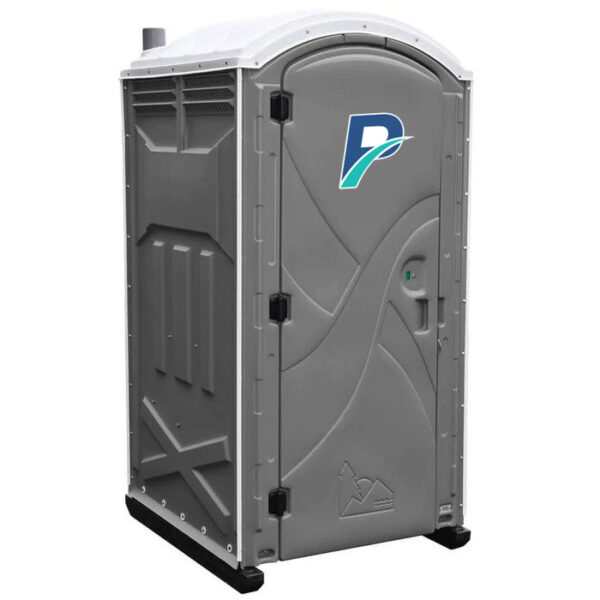
If your deluxe package includes a better handwashing setup, it can reduce friction. Guests feel more comfortable, staff spend less time fielding concerns, and you reduce the perception of neglect around sanitation.
But there is also an operational side. Handwashing is only helpful if it has supply restock and remains functional. If the unit is deployed for a longer duration, you want to know how the provider manages refill intervals. In winter, handwashing functionality can change depending on how the provider prepares the unit and the environment.
So the choice between standard and deluxe is not just about the unit. It is about whether the overall package maintains the features that people expect.
A quick note on odor and ventilation
Odor is a universal complaint, but the root cause is not always the same. Sometimes it is a unit that is overdue for pumping. Other times it is placement in an area with poor airflow. It can also be the result of high usage without a corresponding service schedule.
Deluxe units can have better odor control and interior ventilation, but they are not a magic solution if service timing is off. If you choose standard, you can still reduce odor complaints by tightening the schedule, managing placement, and ensuring the unit is properly maintained.
If you are deciding between standard and deluxe for a high-profile event, consider asking the provider how they manage odor and what maintenance practices they use on those units specifically.
Emergency scenarios: fast delivery, solid follow-through
Emergency portable toilet rental is its own category. You might need a unit delivered overnight, or you might have a sudden event cancellation that requires immediate restroom changes. In these cases, the priority order usually goes: reliability, speed, and service stability.
You may choose standard because it is easier to deploy quickly, or because the site needs immediate coverage before upgrades. If comfort features are important, you can sometimes plan an interim standard unit and then replace with deluxe if the event extends. That depends on the provider’s fleet and schedule.
What matters most is that the provider communicates the timeline clearly and follows through. People get upset when a toilet arrives but service does not follow, or when the pumping schedule is unclear.
If you are in Boston and you need emergency service, ask the provider to tell you what you can expect for delivery and how quickly they will service. A transparent plan is often more valuable than the unit’s label.
How to place units so either model works better
Even the best unit can disappoint if it is placed in the wrong spot. Placement determines access, user flow, and how quickly service crews can service the unit.
In my experience, the sweet spot is near where people naturally gather, with enough space for a respectful approach. Avoid placing units behind dumpsters, in a mud path, or at the far edge of a venue where people avoid them. If you do, usage concentrates elsewhere, lines form, and complaints follow.
Also consider servicing access. In a city like Boston, you may have to plan around street rules, construction zones, and limited truck maneuvering space. A provider that asks you where the unit will sit and how service access will work is doing real due diligence.
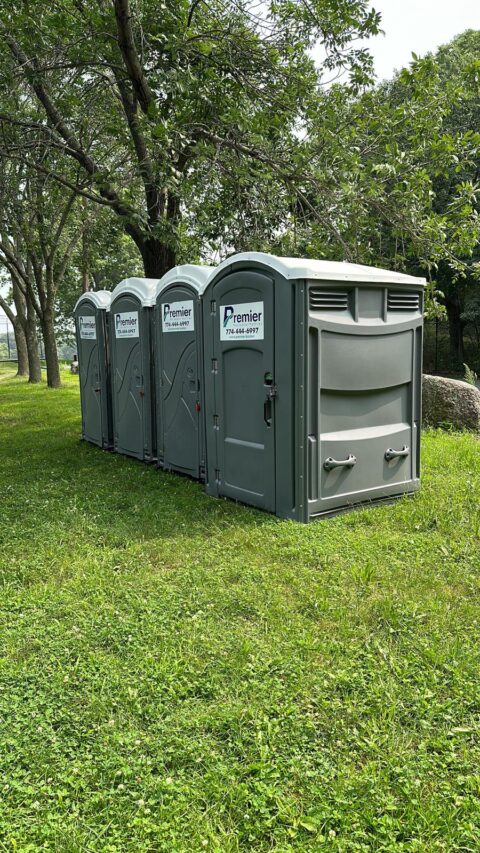
If you have limited space, you can sometimes make deluxe work even better by reducing waiting time through count adjustments, even if the total number of units stays similar by optimizing placement.
Budgeting for standard vs. Deluxe: a realistic way to think about it
Instead of comparing prices in isolation, compare the total experience you need.
If the job is a straightforward construction timeline with a predictable crew size, standard is often the right financial choice, especially if your provider keeps to a dependable Portable Toilet Rental schedule. If your budget is tight but your usage is high, you might get better value by adding units rather than upgrading everything to deluxe. More units can reduce crowding more effectively than comfort upgrades can when the real problem is line length.
If it is an event with food, mixed ages, or brand-sensitive guests, deluxe can reduce complaints and improve the restroom area’s overall feel. In those settings, the extra cost often translates into fewer disruptions and better guest satisfaction.
Boston’s cost landscape varies by season and demand. If you are booking during peak event months, some providers may have limited availability. That affects what you can secure, not just what you can afford.
What to watch out for in quotes
When you request portable toilet rental companies to bid your job, make sure you understand what each quote is assuming.
One provider might include handwashing, another might not. One might include more frequent pumping, another might schedule a single service at the end. If the site needs multiple visits, those differences matter.
Also pay attention to how long the rental period is counted. A “two-day” event can become a three-day rental depending on delivery and pickup timing. If you book last-minute, the delivery window might extend the rental period slightly. Clarify those details before you sign anything.
Finally, ask about after-hours service. For certain venues, service windows are limited. A provider that has Porta Potty Rental Boston Premier Portable Potties a plan for servicing around your restrictions is the difference between stable sanitation and a chaotic last-minute scramble.
A clear decision framework you can use
If you want a simple way to decide without second-guessing, think in layers. Layer one is usage pressure: how many people, how long, and how often they will use the restroom. Layer two is guest sensitivity: who will be using it and how likely they are to notice comfort and cleanliness. Layer three is your ability to support service: can the provider service on schedule, and can you keep placement accessible?
Deluxe wins when guest sensitivity is high and usage pressure is heavy. Standard wins when usage pressure is moderate and the service schedule is dependable, and when the restroom is primarily for workers expecting a functional facility.
That framework makes the decision feel less like a guess and more like a plan.
Final thoughts from the field
Most porta potty problems are not caused by the unit alone. They are caused by mismatches between expected usage and actual service, or by placement choices that make access harder than it needs to be.
If you want the safest bet for a high-touch experience in Boston, deluxe often delivers better day-to-day comfort and a more positive restroom area impression. If you are running a more utilitarian site, standard can be a strong value, as long as the provider treats service frequency and supply management as part of the rental, not an afterthought.
If you tell a provider what you are planning, your expected attendance, and your timeline, you will usually get a recommendation that makes sense. The best portable toilet rental companies do not just sell a unit, they help you design a sanitation setup that works on real schedules and real Boston logistics.
When you are ready, compare standard and deluxe on the same terms, ask what is included, and confirm service timing. That is how you end up with a portable toilet rental experience that feels solid, not stressful.
Premier Portable Potties
35 Industrial Dr, East Bridgewater, MA 02333, United States
(774) 444-6997
[email protected]
website: https://www.premier.boston/