Porta Potty Rental Boston for Sporting Events: Capacity Planning
A sporting event has a way of compressing a lot of human needs into a short window of time. People arrive in waves, food lines start early, and half the crowd seems to discover they need a restroom at the exact moment the announcer calls the next inning. That’s why porta potty rental in Boston isn’t just a “nice to have” for most tournaments, leagues, and youth games. It’s a capacity problem. Solve it well and the day runs smoother. Underestimate it and you get long waits, clogged setups, and a coordinator who spends the second half Portable Toilet Rental Boston MA of the event walking the grounds instead of handling the schedule.
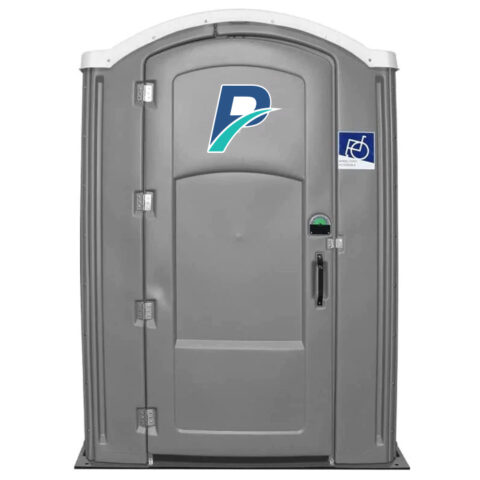
Capacity planning for portable toilets is less about a single magic number and more about matching the restroom supply to the rhythm of your event. The good news is you can do that planning with a practical approach, even if you’re not an expert in Portable Toilet Rental. The key is understanding usage patterns, layout constraints, servicing reality, and the different expectations around standard rentals versus emergency portable toilet rental.
Start with the event reality, not the brochure
The fastest way to size portable toilets on rent is to define what “peak” looks like for your specific event. Sporting venues have repeatable patterns, but the details matter: how long people are on site, whether the crowd is local or traveling, the mix of ages, and what else is happening nearby.
A league doubleheader at a neighborhood field might look simple, but the crowd often behaves like this: one wave arrives before the first whistle, another after halftime, and a noticeable surge between games when families regroup, buy concessions, and settle into the stands. A larger tournament or a full day of youth soccer can stretch that pattern across multiple rounds, with the peak arrival times moving around based on game schedules.
The “capacity” you’re planning for is also not only about how many people attend. It’s about how many people will use the facilities within a given time window, especially during peaks when the lines form.
I’ve seen the difference between events where someone says, “We’ll be fine, it’s a small crowd,” and events where someone actually asks, “How will the crowd be distributed, and when will the lines hit?” The second team ends up with fewer problems, even when their starting numbers are similar.
The sizing variables that actually move the needle
When people compare porta potty rental Boston quotes, they often focus on the number of units. But what you want to compare is what each quote assumes about conditions and usage. Two events can have the same attendance and still require different quantities because the venue and operations change the restroom demand.
Here are the main variables to pin down first:
- Event length and breaks: Short games with frequent stoppages create more regular restroom trips. Long continuous play tends to concentrate demand into before- and after-game windows.
- Attendance type: Youth tournaments with spectators behave differently than adult leagues, and corporate or school events behave differently than open public attendance.
- Concessions and hydration: If you have soda, sports drinks, or heavy food, restroom usage rises. Even if your total attendance is modest, the timing can shift.
- Facility layout: If toilets are placed far from the main viewing area, usage spreads out but also increases friction and time spent in line. Central placement reduces walk time but can concentrate demand.
- Service plan and access: Pump-outs, restocking supplies if included, and who can access the site during the busiest periods all affect performance.
That list should feel familiar because it’s basically how you would plan staffing for the concession stand. Restrooms are the same. You’re not only providing fixtures, you’re managing flow.
A practical capacity planning method for sporting events
You don’t need advanced math to make a solid portable toilet plan, but you do need a framework. Here’s the approach that tends to work for sporting events when you’re trying to be defensible to a venue manager or your internal team.
Step 1: Estimate your peak attendance on-site
For outdoor sports, peak on-site attendance is often lower than “total tickets sold,” because people come and go. Track the most crowded periods based on your schedule.
If you have a tournament with multiple simultaneous fields, your peak might include spectators from more than one bracket at once. If it’s a single field, the peak might align with specific games or transitions between rounds.
When you call portable toilet rental companies, give them your event schedule and tell them when peak happens. A good provider will ask follow-up questions instead of selling you based on total attendance alone.
Step 2: Decide on the expected usage intensity
Usage intensity depends on age mix, weather, and hydration. On hot days, you will see more frequent restroom visits. If kids are playing, parents and coaches often remain on site for long stretches, which changes how restrooms are used. Adult-only events can differ too, especially if the crowd is older and expectations around wait times are stricter.
Because usage rates vary, I prefer to plan using ranges and build a margin. If you’re not sure whether the event is going to be “moderate usage” or “heavy usage,” assume heavy usage. That assumption is usually cheaper than explaining why people waited too long.
Step 3: Account for how long people stay in line
Restroom demand is not just about how many people need to go. It’s about how quickly they can do it and how long the unit can keep up during the busiest hour.
For capacity, the line gets created by a mismatch between arrivals and service speed. That mismatch worsens when:
- Units are placed in low-visibility spots.
- The path is difficult or unsafe.
- The event schedule causes synchronized surges.
- Supplies run out before service comes back.
This is where emergency portable toilet rental can come into play too, because if your baseline plan underestimated peak demand, you may need additional units during the event. But emergency rentals are not a substitute for sizing well in the first place. They cost more and require coordination on short notice.
Step 4: Include appropriate accessibility where required
Most venues expect accessible portable toilet units when required by the applicable rules for your event and location. The details depend on your site, the nature of the event, and what the venue already provides.
Even if you are not sure, ask. It’s better to clarify early than to discover at load-in that you’re missing what your venue or local requirements expect. Accessible units also affect capacity planning, because they are additional fixtures that people use, not just “compliance boxes.”
Capacity planning rules of thumb, used responsibly
People often ask for a single number, like “How many porta potties per guest?” The honest answer is that there isn’t one universal ratio that stays accurate across different event durations, weather, concession strategies, and crowd composition.
Still, many event teams use rules of thumb as a starting point. The right move is to treat those as starting points, then adjust based on your peak hour, event length, and how your venue has historically handled restroom flow.
A common real-world planning habit is this: if you know you will have heavy demand during a defined peak window, you plan for that peak. If you plan for the average crowd only, you’ll get crowding when everyone needs the same thing at the same time.
If you want a quick way to sanity-check your plan, ask your portable toilet rental Boston provider for their typical sizing approach for sporting events and compare it with your schedule. A provider who only asks for total attendance may not be doing the deeper capacity thinking you need.
The placement question that can make “enough units” feel insufficient
It’s possible to rent the right number of units and still end up with unhappy guests because of how they’re placed.
At sporting events, people tend to use the toilets that are easiest to reach from where they’re watching or standing. If you place units too far away, you don’t just increase walking time. You change user behavior. Some people won’t bother if the wait feels long or the path feels unsafe.
I once worked an event where we had a solid count on paper, but the toilets were positioned near an access gate most spectators never used. The result was predictable: the line formed elsewhere, at a smaller number of fixtures, and the coordinator got blamed for something that was really a layout issue.
For Boston outdoor sites, placement also has to consider terrain, footing, and where delivery vehicles can safely access. The best capacity plan is the one your guests can actually use quickly.
A reasonable “minimum viable” plan versus a comfort plan
Budget pressure is real. Teams running youth leagues and smaller tournament weekends often want the cheapest portable toilet rental that still works.
But there’s a difference between “works” and “feels fine.” A minimum viable plan may meet restroom demand if your peak window is mild, your crowd flows well, and the weather is cooperative. A comfort plan anticipates delays, longer lines, and heavier usage, and it’s usually easier to manage when the unexpected happens, like a game running late or a sudden weather shift that changes how people schedule restroom trips.
If you’re aiming for cheap portable toilet rental, you can still plan smart. Instead of only chasing the lowest unit count, pressure-test the quote:
- What does it include in terms of servicing?
- How often are they planned to check and pump, if applicable?
- Are delivery and pickup scheduled in a way that protects peak performance?
- What happens if your peak exceeds expectations?
That’s where portable toilet rental companies earn their keep. The quote should be more than a number.
Service timing is part of capacity, not an afterthought
Portable toilets don’t work like a faucet that simply delivers a fixed amount of capacity. Their performance depends on maintenance and servicing. If the service schedule doesn’t align with the event’s busiest periods, the units can degrade in how quickly they process demand.
For a sporting event with clear peak windows, the service plan should match those windows. If your event runs all day, your demand is spread across hours, but peak still exists. If you can, plan for servicing that keeps the units usable during those peaks.
This is also where emergency portable toilet rental becomes relevant. Sometimes the first half of the day is lighter than expected, and the second half is heavier because a bracket advances or weather clears suddenly. When that happens, adding additional units can save you, but it requires logistics. You need the space for placement, safe access for delivery, and someone on your team to coordinate.
When you plan properly, you reduce the chances that you’ll need the emergency option.
Practical examples: sizing for common Boston event patterns
Let’s make this concrete with a few event patterns you’re likely to see around Boston. I’m not going to pretend these examples are universal formulas, but they illustrate how teams think about Porta Potty Rental Boston Premier Portable Potties peak demand and adjustments.
Example 1: single-field youth tournament, 3 hours, moderate concessions
You might expect a clear arrival surge before the first games and another around the end. The crowd is often families with kids, and beverage purchases can spike restroom use. If the venue is compact and toilets are placed close to where spectators gather, the line time tends to be manageable.
In this scenario, you plan for the peak arrival window rather than the total number who attend across all rounds. You also consider whether additional units are justified if you expect hot weather or heavy sports drink sales.
Example 2: weekend doubleheader, 6 hours, two age groups, bigger family turnout
Now your peak can be longer and more complex. If games are staggered, the transitions between games may overlap with concession lines and restroom trips. That overlap creates demand spikes that feel faster than you’d expect.
Capacity planning here often means making sure the restroom setup can handle repeated surges. It’s not only about “how many,” it’s about whether the units remain serviceable throughout the day. A well-managed service plan helps the portable toilets on rent feel like they keep up rather than fall behind.
Example 3: high school varsity day with larger spectators and multiple periods
Spectator numbers can grow quickly between halves, and the crowd may behave more like adults plus teenagers, where usage patterns and wait tolerance are different.
If your venue has fixed restrooms, the question becomes how much they reduce the demand on your portable units. Some venues provide partial restroom access, but portable toilets still become the pressure release valve during peaks.
This is where you want a provider who can help you match your plan to real flow, not just attendance numbers.
How to talk to porta potty rental providers without getting lost
When you call for Portable Toilet Rental, you’ll get different levels of detail from different companies. The best providers will ask questions that reveal whether they understand your event’s flow.
If you want a quote that reflects capacity planning, ask for specifics. I’m not saying you need to interrogate anyone, but you should be able to understand what the plan is designed to handle.
You can start the conversation with your event schedule, the rough peak attendance, concession plan, and whether the site has fixed restrooms.
If you’re considering portable toilets on rent because you need cost control, it helps to ask how they determine unit count for sporting events. The answer you want is one that mentions peak demand, servicing, and placement considerations.
A simple checklist you can use before you sign
If you only do one thing before locking in a plan, make sure these items are covered. This avoids the most common “we didn’t think about that” failures.
- Confirm your event hours and the busiest 60-minute window based on the schedule.
- Tell the provider whether concessions include sports drinks or high-volume items.
- Ask how delivery, placement, and servicing will be handled during peak times.
- Verify any accessibility expectations with the venue in writing when possible.
- Review where the units will be placed, including safe walking paths for guests.
Even if you’re not the logistics person, this checklist helps you ask the right questions and catch gaps.
When things go sideways: capacity upgrades and emergency planning
Despite good planning, sporting events can shift. Weather changes attendance patterns. Games can run long or end early. A rain delay can force everyone to reposition within a shorter window. These are the moments when emergency portable toilet rental can protect your event experience.
The goal is to have a decision path ahead of time. Not every coordinator has the authority to make changes on the fly, and not every rental company can deploy additional units quickly without notice.
Here are the scenarios that most often justify an emergency addition, along with what you should have ready:
- Sudden weather surge: Hot day plus delayed start can create a heavier-than-expected restroom spike.
- Schedule slippage: If games run late, halftime and “after game” trips compress into a shorter timeframe.
- Concession overperformance: If your vendors sell more drinks than planned, restroom use often follows.
- Unexpected crowd growth: A bracket update or a traveling team draws more spectators than expected.
- Placement constraints: If you can’t access the original placement well during peak, you may need reallocation or extra units.
Emergency portable toilet rental works best when you already know where additional units can go and who will coordinate site access.
Balancing cost and comfort without overspending
It’s tempting to treat portable toilet rental like a commodity. “How much per unit?” But sporting events are dynamic. The cheapest plan is only cheap if it doesn’t create downstream costs like staff time, guest dissatisfaction, and event delays.
Cheap portable toilet rental can be a solid choice when you:
- plan based on peak demand, not only total attendance
- align service timing to your event length
- place units where guests will actually use them quickly
- choose the right combination of standard and accessible units for your site
If you’re comparing quotes, ask whether the cost difference is tied to servicing frequency, unit type, delivery timing, or the assumptions behind count. Two vendors might quote different prices for different operational burdens. The cheapest per unit may cost more in practical terms if it leaves you short during the busiest hour.
Capacity planning for Boston specifically: practical site constraints
Boston venues have their own mix of realities, from tight access roads to uneven ground and busy schedules. Even when you’re not thinking “municipal,” your event often competes with traffic, pedestrian flow, and site rules set by parks departments, schools, and venue managers.
That means your portable toilet rental Boston plan needs to consider:
- Delivery windows and where trucks can stage
- Walk paths from parking to viewing areas and to restrooms
- Visibility and signage, so guests don’t wander into unsafe areas searching for a restroom
- How the site handles rain or mud, especially for outdoor leagues
None of this changes the underlying math of demand, but it changes how quickly guests can use the units, and that changes the effective capacity you experience during peak windows.
A final thought: the best plan is the one you can explain
When you’re coordinating a sporting event, you often have to justify decisions to stakeholders: a venue director, a league board, or a sponsor. A capacity plan that only relies on a guess tends to collapse when the event gets busy. A capacity plan rooted in peak demand and practical flow can be explained confidently.
Think of portable toilets on rent as part of your event infrastructure. You’re building a small system that must keep up with human behavior. When the count, placement, and service timing align, guests stop noticing the restrooms as a “special provision.” They just become a normal, reliable part of the day.
If you want, tell me the basics of your event (number of guests, expected peak time, event duration, outdoor or indoor, and whether concessions include sports drinks). I can help you outline a capacity planning approach and what questions to ask your Portable Toilet Rental provider so you end up with a plan that holds up when the crowd hits.
Premier Portable Potties
35 Industrial Dr, East Bridgewater, MA 02333, United States
(774) 444-6997
[email protected]
website: https://www.premier.boston/